Though synthetic grass lacks the same cooling properties as real grass, technological developments have enhanced its heat responsiveness. Lighter color blades and cooling infills assist in lowering surface temperatures, therefore improving the comfort of artificial grass in hotter climates. Furthermore, by substituting material that stores less heat for heat-absorbing surfaces like concrete in metropolitan areas, synthetic grass helps to lessen the urban heat island effect.
Synthetic Grass: A Vision for the Future of Gardening
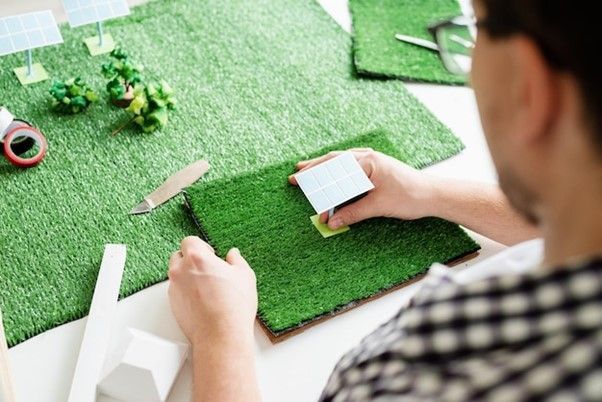
The importance of synthetic grass in sustainable landscaping methods is likely to grow as water shortage becomes a worldwide concern—manufacturing’s innovations in environmental friendliness and visually beautiful design help to increase its popularity. Synthetic grass is a good substitute for conventional lawns for homeowners and urban designers who prioritize sustainability, as it promises major ecological advantages without compromising the green areas that improve our living surroundings.
Conclusion
The adoption of synthetic grass marks a major step towards sustainable living, thereby immediately affecting efforts on water conservation in landscaping and gardens. iGrass offers a variety of knowledge for further understanding of environmentally friendly landscaping choices. Accepting these substitutes not only helps to save important water supplies but also guarantees a more sustainable contact with our surroundings, thereby enabling us to enjoy green areas free from the significant water consumption usually connected with gardening.
Leave a Reply